FULL WEBSITE AT LPFM.PRO

FULL WEBSITE AT LPFM.PRO

Showing posts with label frequency search. Show all posts

Monday, September 4, 2023

The LPFM Radio Second Adjacent Waiver: Why You Need a Broadcast Engineering Consultant

LPFM Radio Engineering Requirements
Second Adjacent Waiver Engineering Requires an Engineer!

In the world of radio broadcasting, opportunities don’t come knocking every day. LPFM (Low Power FM) radio stations are a unique and valuable resource, especially when it comes to serving local communities. However, the process of obtaining an LPFM radio frequency, especially one that requires a Second Adjacent Waiver, is far from a walk in the park. This is where the necessity of hiring a broadcast engineering consultant becomes crystal clear.

One Shot, Ten Years

First, let’s set the stage. The last LPFM radio application window opened a decade ago in 2013. That’s right; you’ve got one shot, and this opportunity won’t come around again for a long time. Now, imagine missing this golden chance because of a simple mistake. Is it really worth trying to save a few bucks when the stakes are this high? In reality, it’s not saving money if you don’t get what you want.

The Complexity of Second Adjacent Waivers

LPFM radio frequency applications that require a Second Adjacent Waiver are exceptionally challenging. These waivers are needed when your proposed station frequency is too close to an existing one. Unlike a standard LPFM application, which already demands a fair bit of expertise, the Second Adjacent Waiver applications are on a whole other level.

This is where the critical need for a broadcast engineering consultant comes into play. The truth is, a non-engineer, especially one who specializes in full-power radio station applications, engineering, and engineering exhibits, is simply not equipped to handle the intricacies of a Second Adjacent Waiver application. They might not even know where to begin.

Time is of the Essence

The LPFM Radio filing window for 2023 is a narrow one, from December 6th through the 13th. To ensure success, it’s crucial to secure the services of an experienced engineer immediately. Waiting until the last minute is not an option. Once the calendar flips to November 2023, it may already be too late to find someone who can help.

Your Solution: Nexus Broadcast

While we highly recommend entrusting your application to professionals like Nexus Broadcast, we understand that some may still want to file on their own. In such cases, we can offer a lifeline – engineering data, including Second Adjacent Waiver engineering data, for $1,200.

However, let’s be clear: even with this data in hand, navigating the LPFM radio application process successfully without expert guidance is an uphill battle. Don’t let your chance slip away. Ensure your LPFM radio dream becomes a reality by enlisting the support of a broadcast engineering consultant who knows the ropes.

The LPFM Radio Second Adjacent Waiver application process is a formidable challenge. To make the most of this once-in-a-decade opportunity, hiring a broadcast engineering consultant is not just a smart move; it’s the only way to ensure your success. Don’t gamble with your dreams – invest in the expertise that will make them a reality.  Contact us today to get started!


Wednesday, August 23, 2023

The Resurgence of Radio: A Powerful Tool for Community and Truth

Pastor standing at podium talking with man.
Talking with Pastor about Radio Viability

In a recent conversation with a pastor friend, I found myself enthusiastically explaining the numerous benefits of having a radio station. It took a little persuasion, but as our discussion unfolded, he began to see the bigger picture. The pastor’s initial skepticism revolved around the relevance of radio in an age dominated by the internet, a sentiment shared by many. However, the reality is quite the opposite – radio remains a potent medium, and its importance is resurging, especially in the context of community outreach and disseminating alternative narratives.

Many individuals, like my pastor friend, tend to underestimate the influence of radio in today’s digital era. They often believe that the internet has rendered radio obsolete. However, the numbers paint a different picture. Radio continues to hold its ground as a trusted and far-reaching communication tool. It’s the medium that accompanies us during our morning commute, the constant companion in our cars and kitchens, and the unwavering voice during times of crisis. Its enduring presence in our lives cannot be overstated.

So, why has radio remained relevant? The answer lies in its unique qualities. Unlike the internet, which is subject to various forms of control, censorship, and algorithmic manipulation, radio provides a more direct and unfiltered channel for communication. This inherent authenticity is crucial for anyone seeking to reach their community for Christ or disseminate truths that challenge official narratives.

Radio, as a medium, offers unparalleled accessibility. It doesn’t require an expensive smartphone, a high-speed internet connection, or even literacy to tune in. It reaches deep into communities, including those with limited access to technology. Moreover, it provides a sense of connection and immediacy that’s hard to replicate digitally. When a pastor or community leader speaks over the radio waves, it’s as if they’re right there in your living room, speaking directly to your heart.

Pastor sitting in meeting
Talking to my pastor about radio broadcasting

In an era where misinformation and censorship are growing concerns, radio’s role as a guardian of free expression becomes even more significant. It’s a platform where diverse voices can be heard, where alternative perspectives can be shared, and where truth can find a sanctuary. It’s a space where the faithful can connect, where spiritual guidance can be offered, and where communities can come together in faith.

In conclusion, radio’s enduring relevance in the digital age cannot be underestimated. It remains the number one choice for reaching communities and disseminating truths that may be at odds with prevailing narratives. Its authenticity, accessibility, and unfiltered nature make it a powerful tool, particularly for those seeking to share the message of Christ and uphold the principles of truth. So, let’s spread the word: Radio is not a relic of the past; it’s a beacon of hope for the future.

Start your Low Power FM Radio (LPFM) Today with our help!  Contact us Today!

Monday, August 21, 2023

Unlock LPFM Radio Success with Nexus Broadcast - Your Partner in Radio Excellence!

Dear LPFM Radio Enthusiast!

I hope this message finds you well. With the LPFM Radio window deadline looming in November. I wanted to introduce you to an exciting opportunity that will transform your LPFM Radio application process and bring your broadcasting dreams to life.

At Nexus Broadcast, we understand that the LPFM Radio application process can be complex and overwhelming. That’s why we’re here to offer our expertise and support to ensure your application is submitted successfully!

Why choose Nexus Broadcast for your Low Power FM Radio Application?

  1. Experience: With over three decades in the broadcasting industry, we have a proven track record of helping countless organizations navigate the intricacies of the FCC LPFM Radio application process.
  2. Expert Team: Our team of seasoned radio professionals, legal experts, and engineers are dedicated to making your LPFM application process as smooth and successful.
  3. Personalized Service: We tailor our services to your unique needs. Whether you’re a community group, educational institution, or nonprofit organization, we have the expertise to ensure your application reflects your mission and goals.
  4. Comprehensive Support: From start to finish, we assist you with every aspect of the LPFM Radio application process, including site selection, engineering studies, legal compliance, and more.
  5. Cutting-Edge Technology: Our advanced tools and technologies ensure that your low-power FM Radio application meets all technical requirements and maximizes your chances of approval.
  6. Cost-Effective Solutions: We offer competitive pricing options to suit your budget, and our services pay for themselves with the success of your LPFM Radio application.
  7. Long-Term Partnership: Beyond application approval, we continue to support you with ongoing broadcasting solutions, training, and advice to ensure your LPFM Radio station thrives.

Let Nexus Broadcast be your trusted partner on this exciting journey. Together, we can bring the power of LPFM Radio community radio to life, connecting and enriching the lives of your audience.

Are you ready to take the next step toward LPFM Radio success? Please feel free to reply to this email or give us a call at (239) 42-RADIO (72346) to schedule a consultation. We are available to discuss your specific needs and answer any questions you may have. For more information visit our websites:  LPFMStore.com and NexusBroadcast.com

Thank you for considering Nexus Broadcast as your partner in filing your LPFM Radio application. We look forward to the opportunity to work with you and help bring your broadcasting vision to reality.

Best regards,


Leo Ashcraft

Chief Engineer/CEO

Monday, August 14, 2023

Unlock the World of LPFM Radio: Unleash the Power of Low Power FM Broadcasting

Are you ready to experience the magic of radio like never before? Look no further than LPFM Radio, the revolutionary Low Power FM broadcasting system that’s making waves across the globe. Whether you’re a community enthusiast, a music aficionado, or a business looking to reach a local audience, LPFM Radio offers a cost-effective and captivating solution that will undoubtedly leave a lasting impact.

What is LPFM Radio?

LPFM, or Low Power FM, is a type of radio broadcasting that operates on a local scale. It’s designed to cover a smaller geographic area compared to traditional FM radio stations, but with the advantage of lower equipment and operating costs. LPFM stations are a perfect fit for community organizations, schools, churches, and small businesses aiming to connect with their immediate surroundings.

The Benefits of LPFM Radio:

  1. Cost-Efficiency: Setting up an LPFM station is remarkably affordable, making it accessible to a wide range of organizations and individuals. You don’t need a massive budget to get started and make a significant impact on your local community.
  2. Local Reach: LPFM Radio allows you to broadcast directly to your local audience, creating a powerful connection within your community. Whether you want to promote local events, share important news, or showcase local talent, LPFM is your go-to platform.
  3. Engagement: Radio has a unique ability to engage listeners in a way that other mediums can’t. With LPFM, you’ll have the chance to build a dedicated and loyal audience, creating a sense of community and fostering meaningful connections.
  4. Flexibility: LPFM stations come in various formats, from music-focused stations to talk radio and beyond. This flexibility allows you to tailor your content to your audience’s interests, ensuring that you’re delivering what they want to hear.

Why Purchase Now?

The time to invest in LPFM Radio is now, and here’s why:

  1. Local Impact: By launching your LPFM station, you’re not only enhancing your local presence but also contributing to the vibrancy and unity of your community. Your station can be a powerful force for good, sharing vital information, promoting local businesses, and giving a voice to those who need it.
  2. Rising Popularity: LPFM Radio is on the rise, and the sooner you get started, the better your chances of establishing yourself as a go-to source of local entertainment and information.
  3. Affordability: The cost of LPFM equipment and licensing is still reasonable, but as the popularity grows, it’s likely to increase. By purchasing now, you’ll lock in a budget-friendly opportunity to make a lasting impact.
  4. Be a Pioneer: Launching an LPFM station in your area can establish you as a pioneer in local broadcasting. Imagine the recognition and respect you’ll receive as the driving force behind an influential local radio station.

Don’t miss this opportunity to make a difference, connect with your community, and have a blast doing it. Sign up to file your LPFM Radio license application and start broadcasting next year. Unleash the power of Low Power FM, and let the world hear what you have to say!

Tuesday, August 8, 2023

Your Voice on the Airwaves: Don't Miss Out on the 2023 LPFM Filing Window!

Don’t Miss Out on the 2023 LPFM Filing Window!

Are you ready to make your mark on the airwaves? The 2023 LPFM filing window is here, and this is your chance to bring your unique voice and perspective to the world through your very own Low-Power FM (LPFM) radio station. Imagine having a platform to connect with your community, share your passions, and create a lasting impact – all while enjoying the benefits of an LPFM station.

At Nexus Broadcast, we understand the power of local radio. With our expertise in navigating the intricacies of FCC regulations and the LPFM application process, we’re here to guide you every step of the way. Here’s why now is the perfect time to start your own LPFM radio station and file during the 2023 filing window:

LPFM Radio Community Engagement:

LPFM stations are a direct link to your community, giving you the opportunity to connect with listeners on a personal level. Share stories, local news, music, and discussions that matter most to your audience.

Expression of Creativity:

Whether you’re a music enthusiast, a storyteller, or a community advocate, your LPFM station is your canvas. Express your creativity, share your passions, and engage in meaningful conversations with your listeners.

Low Power FM Radio Accessible Technology:

Starting an LPFM station has never been easier. With advancements in broadcasting technology, setting up and maintaining your station is affordable and user-friendly.

LPFM Radio Public Service:

LPFM stations are dedicated to serving the public interest. By offering a platform for diverse voices and underrepresented communities, you’ll be contributing positively to your local area.

Networking Opportunities:

Your LPFM station can become a hub for local events, collaborations, and partnerships. Connect with local businesses, organizations, and individuals who share your vision.

LPFM Radio Expert Guidance:

Nexus Broadcast is your radio technical expertise partner!

Navigating the FCC filing process can be complex, but with our experienced team by your side, you’ll have the confidence and support needed to successfully secure your LPFM license.

Don’t let this opportunity slip away – the 2023 LPFM filing window won’t last forever. Take the first step towards becoming a recognized voice in your community and join the ranks of LPFM station owners who have made a significant impact.

Ready to get started? Contact us today at 239-42-RADIO (72346) or visit our LPFM Radio website at LPFMStore.com to learn more about how we can help you navigate the filing process, set up your station, and launch your broadcasting journey.

Your community is waiting to hear from you. Seize this moment and let your voice shine on the airwaves!

Best regards,

Leo Ashcraft
Engineering
Nexus Broadcast

Tuesday, August 1, 2023

LPFM Radio Filing Window - Low Power FM Stations Application Period 2023

The Time Is NIgh! The LPFM Radio FIling Window Opens November 1, 2023!

The long awaited LPFM Radio filing window is finally upon us! The last filing window was right at about ten years ago. Applications for original construction permits (as well as major changes) for Low Power FM (LPFM) broadcast stations. If you need an LPFM Radio license, now is the time to act. It will likely be another ten years before this opportunity presents itself again. Here are some prerequisites and important information regarding the current LPFM Service and this new window.

LPFM Radio Window Dates

November 1, 2023 – November 8, 2023

Potential Availability and Expression of Interest

To check availability and express interest in having Nexus handle your organization’s LPFM radio application, visit: NexusBroadcast.com or LPFMStore.com

Low Power FM Window Basic Details

This window covers original construction permits and “major” modifications to existing licensed facilities. A major modification includes a channel change without a reduced interference study and a physical move of over 11.2 kilometers with no 60 dBu overlap between current and proposed facilities.

LPFM Radio Applicant Requirements and Limitations

The application window is open to any non-profit organization recognized by any state as a not-for-profit corporation, regardless of IRS 501(c) status. The organization’s corporate status must be valid on the filing date and remain valid. New organizations must have their corporation documents stamped by the state before the window period, even if it falls within the window dates.

LPFM applicants may apply for only one facility in this filing window.

Current LPFM Radio Licensees

Existing LPFM licensees can file major change applications in this window, competing with new applicants if there are competing applications.

Certain Changes Allowed as Minor Changes

Some changes, like channel changes of +/- 0.2, 0.4, 0.6, 10.6, or 10.8 MHz, and physical moves of 11.2 km or less with 60 dBu contour overlap between current and proposed facilities, do not require a filing window.

Low Power FM Radio Service Technical Details

Applicants may propose a facility that operates between 50 and 100 watts effective radiated power at 30 meters HAAT, based on the antenna’s height above average terrain.

LPFM Radio Community Coverage Requirements

No specific community coverage or city of license requirements for LPFM stations.

Low Power FM Radio Competing Applications (MX)

Following the window, the FCC will announce “MX” applications and provide an opportunity for applicants to make changes to “escape” the MX group. The point system is used to determine the winning applicant.

The LPFM Radio Nature of Broadcast Service

This window is for noncommercial educational (NCE) broadcast stations. Profit-seeking enterprises are not eligible. NCE stations can acknowledge underwriters but must follow strict controls on language to avoid violating commercial rules.

Low Power FM Radio Educational Statement

LPFM applicants must demonstrate that they are educational organizations advancing an educational purpose, even if they don’t have classrooms. Program descriptions and schedules are necessary.

Parties to the LPFM Radio Application

LPFM licensees must be local and meet certain distance requirements. Board members’ character and affiliations with other media entities must be disclosed.

Responsibilities of an LPFM Radio Licensee

LPFM radio stations are not required to have a public inspection file nor file ownership reports. Changes to the board must be approved by the FCC if they exceed 50%.

Public Notice – It’s a Thing for LPFM Radio

Unlike the previous LPFM radio filing window, in this window accepted applications require a public notice on the applicant organization’s website for 30 days. If the applicant does not have a website an advertisement in the local newspaper will be required.

Costs to Build and Operate an LPFM Radio Station

Building and operating a radio station can be expensive. LPFM stations need certified transmitters, an EAS decoder, and must pay annual royalty fees for music broadcasts.

Low Power FM Radio (LPFM) Application Filing Assistance

Nexus offers filing assistance starting at $1,500, with potential variations based on organization type and additional complexities.

We are excited to work with you and look forward to hearing you on the air soon! To get started contact Nexus right away! Dont call us at the end of October and expect us to be able to help you. There are quite a few steps to take in addition to the engineering, documentation, application preparation and filing. All of this needs to take place prior to the window opening. Just fair warning. We have time to get all of this done for you, IF YOU ACT NOW. Also please be aware the pricing increases substantially with demand and time as we approach the filing deadline. Once a price is quoted and paid, we generally stick with that price unless there are significant changes or additional work/filings/pleadings, etc needed. We don’t like surprises and we know you don’t either!

To check availability and express interest in having Nexus handle your organization’s LPFM radio application, visit: NexusBroadcast.com or LPFMStore.com

Reference FCC LPFM New Station Application Filing Procedures

Friday, July 28, 2023

2023 LPFM Radio Filing Window Be Prepared - Start Right Now!

In the world of broadcasting, community engagement and local voices hold significant value. Low Power FM (LPFM) radio stations play a vital role in providing unique, localized content, and the 2023 LPFM Radio Filing Window presents a golden opportunity for individuals, organizations, and communities to make their voices heard. The importance of this filing window cannot be overstated, and being prepared and starting the process right now is crucial to maximizing the benefits it offers.

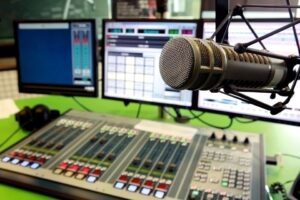
What is the 2023 LPFM Radio Filing Window?

The LPFM service was established by the Federal Communications Commission (FCC) in the United States to create opportunities for non-commercial, educational, and locally focused radio stations. LPFM stations operate with lower power and coverage compared to traditional FM stations, but they provide hyper-local content, cater to niche communities, and foster inclusivity.

The 2023 LPFM Radio Filing Window is a specific period during which interested parties can apply for new LPFM station licenses. Such opportunities are infrequent and may only occur every few years, making this a rare chance for aspiring broadcasters to secure their place on the airwaves.

The Importance of the 2023 LPFM Radio Filing Window

  1. Empowerment of Local Voices: LPFM stations give a voice to the local community, allowing them to share their stories, concerns, and perspectives. These stations often cover topics that may not receive attention from larger media outlets, fostering a deeper sense of community and encouraging civic engagement.
  2. Diversity and Representation: Traditional radio stations often overlook the diverse range of voices within communities. LPFM stations, on the other hand, can cater to specific cultural, ethnic, or interest-based communities, promoting inclusivity and representation of underrepresented groups.
  3. Educational and Informative Content: LPFM stations can serve as valuable educational resources, providing content on local history, culture, and relevant issues. They can also promote local events, initiatives, and resources, contributing to community development.
  4. Crisis Communication and Public Service: In times of emergencies or disasters, LPFM stations can become essential tools for disseminating vital information to the local population. They can serve as a lifeline during crises, keeping communities informed and safe.
  5. Fostering Creativity and Talent: The availability of LPFM licenses encourages individuals with creative ideas and talents to explore broadcasting as a medium. It provides a platform for aspiring radio hosts, journalists, musicians, and podcasters to develop their skills and pursue their passions.

Why Start Now?

The process of establishing an LPFM station is not instantaneous. It requires careful planning, coordination, and adherence to FCC regulations. By starting the preparation process now, potential applicants can:

  1. Identify and Rally Community Support: Building community support is a critical aspect of the LPFM application process. Starting early allows applicants to reach out to local organizations, stakeholders, and potential listeners to garner backing for their station.
  2. Conduct Feasibility Studies: Feasibility studies help assess the viability of the station’s success, potential audience size, and revenue streams. Conducting these studies in advance provides ample time to make necessary adjustments to the business plan.
  3. Navigate Regulatory Requirements: The FCC has specific rules and guidelines for LPFM stations. Starting early allows potential applicants to familiarize themselves with these regulations and ensure compliance during the application process.
  4. Secure Funding and Resources: Establishing an LPFM station requires financial investment and access to resources. Starting early provides time to explore funding options, seek grants, and gather necessary equipment and facilities.
  5. Consult with Experts: Seeking advice from industry experts and experienced broadcasters can be invaluable. By starting early, applicants have more time to network and gain insights from those with prior experience in the field.

The 2023 LPFM Radio Filing Window presents an exceptional opportunity for communities and individuals to create radio stations that genuinely represent their local interests and values. Its importance lies in empowering local voices, promoting diversity, and fostering educational content. To maximize the chances of success, potential applicants must begin their preparations now to secure community support, navigate regulatory requirements, and secure the necessary resources. By doing so, they can make the most of this rare chance to contribute to their communities and leave a lasting impact on the airwaves.

Thursday, July 27, 2023

Radio and TV Licenses: The Necessity of Filing a Request for Silent STA

Be sure to file a request to remain silent if off the air for an extended period.

The broadcasting industry, comprising both radio and TV stations, is subject to regulations established by the Federal Communications Commission (FCC) in the United States. These regulations are designed to ensure efficient use of the electromagnetic spectrum, prevent interference, and maintain the integrity of broadcasting services. In specific situations, licensed radio and TV stations may need to suspend their regular broadcasts temporarily. However, they are required to file a formal request for Special Temporary Authorization (STA) to remain silent during this period. In this article, we will explore the reasons why radio and TV licensees must file for an STA and the significance of complying with this FCC requirement.

  1. The Purpose of Special Temporary Authorization (STA)

The Special Temporary Authorization (STA) is a crucial mechanism used by the FCC to grant temporary permission to broadcasters, including radio and TV stations, to deviate from their licensed operations for a limited time. This allows stations to address specific issues while maintaining their broadcasting privileges.

  1. Valid Reasons for Requesting STA

Radio and TV stations may have legitimate reasons for requesting an STA to remain silent temporarily. Some common reasons include:

a. Technical Issues: Stations may encounter technical problems that affect their ability to broadcast effectively. The STA allows them time to address and resolve these issues while staying compliant with FCC regulations.

b. Tower Maintenance or Repairs: Maintenance or repairs of broadcasting towers are essential to ensure the quality of transmissions. The STA enables stations to conduct these tasks without interrupting their broadcasting privileges.

c. Emergency or Disaster Situations: During emergencies or natural disasters, stations may opt to go silent temporarily to assess the situation or protect their equipment. The STA facilitates this process while enabling the station to resume service after the crisis.

d. Financial Difficulties: Economic challenges or budget constraints might force a station to suspend regular broadcasting temporarily. The STA provides a grace period during which the station can reorganize its finances and resume operations without losing its license.

  1. Compliance with FCC Regulations

Filing for an STA is not an optional step for radio and TV licensees; it is a legal requirement. The FCC mandates that broadcasters must obtain prior approval through the STA process before suspending their regular transmissions for an extended period. Failure to comply with this regulation can lead to severe penalties, including monetary fines, license revocation, or loss of frequency allocation.

  1. The Filing Process and Requirements

To request an STA, radio and TV stations must submit a formal application to the FCC, detailing the reason for the requested silence and the expected duration. The application should provide sufficient evidence and justification for the temporary authorization. The FCC reviews each application on a case-by-case basis and grants the STA if the reasons provided are deemed valid.

  1. Importance of STA Compliance

Complying with the STA requirement is crucial for radio and TV licensees to maintain their broadcasting privileges and operate responsibly. By adhering to this regulatory guideline, stations can fulfill their obligations to the FCC and their audience, ensuring continued trust and reliability.

Radio and TV stations play an integral role in providing information, entertainment, and emergency broadcasting services to the public. To maintain the integrity of the broadcasting industry, the FCC has established regulations, including the requirement for Special Temporary Authorization (STA) to remain silent temporarily. Whether due to technical issues, tower maintenance, emergencies, or financial challenges, filing for an STA is essential for stations to continue their valuable service responsibly. Compliance with FCC rules not only preserves broadcasting privileges but also contributes to a reliable and trustworthy media landscape for audiences across the nation.

Need Help?  Contact Us!

Wednesday, July 5, 2023

Start a Christian Radio Station For Your Ministry

Start a Radio ministry!

Starting a Christian radio station for your church can be a powerful way to share the message of faith, connect with the community, and provide uplifting content. Here’s a step-by-step guide to help you get started:

  1. Define Your Vision and Purpose: Clearly articulate the vision and purpose of your Christian radio station. Determine the target audience, programming focus (e.g., sermons, music, talk shows, Bible studies), and the specific goals you want to achieve with the station.
  2. Conduct Market Research: Understand your local community and its needs. Research existing radio stations to identify any gaps in Christian programming. Evaluate the potential audience size, competition, and available frequencies to find a unique position for your station.
  3. Assemble a Team: Form a team of dedicated individuals who share your vision for the radio station. Include members with expertise in broadcasting, production, programming, marketing, and community outreach. Each team member should be committed to the station’s mission.
  4. Determine the Broadcast Method: Choose the broadcast method that aligns with your resources and goals. You can consider options such as FM radio, internet radio streaming, or a combination of both. Assess the costs, technical requirements, and regulatory obligations associated with each method.
  5. Acquire the Necessary Equipment: Depending on your chosen broadcast method, you will need appropriate equipment such as a transmitter, antenna, studio equipment (mixer, microphones, headphones), and audio processing tools. Consult with experts to ensure you have the right equipment for your specific needs.
  6. Secure Licensing and Legal Requirements: Research the licensing requirements specific to your country or region. In the United States, you will need to apply for a non-commercial educational (NCE) FM radio license or consider internet radio licensing. Consult legal professionals or organizations specializing in media law to ensure compliance with regulations.
  7. Set Up the Studio: Create a dedicated space for your radio station’s studio. Design an environment that is comfortable, functional, and conducive to producing high-quality content. Install the necessary equipment, soundproofing, and acoustic treatments to ensure optimal sound quality.
  8. Develop Programming: Determine the types of programs you want to broadcast, such as sermons, inspirational music, Bible teachings, talk shows, or interviews. Involve the church community and local Christian leaders in planning and creating content. Ensure a balance of relevant, engaging, and uplifting programs.
  9. Build Relationships: Foster connections with local churches, Christian organizations, and community leaders. Collaborate with guest speakers, musicians, and pastors to bring diverse voices and perspectives to your programming. Actively engage with your listeners, seek feedback, and respond to their needs and interests.
  10. Promote and Market Your Station: Develop a marketing strategy to raise awareness about your Christian radio station. Utilize various channels, such as social media, church newsletters, local events, and partnerships with other organizations. Develop a visually appealing website and consider advertising opportunities to reach a wider audience.
  11. Engage in Community Outreach: Leverage your radio station to serve the community. Organize events, fundraisers, and volunteer initiatives that align with your station’s values. Use your platform to promote local Christian events, charities, and community projects.
  12. Monitor and Evaluate: Continuously monitor your station’s programming, technical performance, and audience feedback. Assess the impact of your content and make necessary adjustments. Regularly evaluate your station’s success against the goals you set, and seek opportunities for improvement.

Remember, starting a Christian radio station requires commitment, passion, and ongoing dedication. With careful planning, a strong team, and a clear vision, your church can create a powerful radio platform to share the message of faith and positively impact the community.

We make it all simple!  Just fill out the form below:

A Step-by-Step Guide to Starting a Low Power FM Radio Station in 2023

LPFM Radio 2023 Filing Window!

The opening of the Low Power FM (LPFM) radio filing window in 2023 has provided a unique opportunity for individuals, organizations, and community groups to establish their own local broadcasting stations. LPFM stations offer a platform for community voices to be heard and play a vital role in promoting local culture, engaging citizens, and bridging the digital divide. If you’re considering starting an LPFM radio station, this step-by-step guide will help you navigate the process and bring your community’s voice to the airwaves.

Step 1: Research and Planning

Begin by conducting thorough research on LPFM radio stations and understanding the requirements, regulations, and technical aspects involved. Familiarize yourself with the Federal Communications Commission’s (FCC) rules and guidelines governing LPFM stations. Identify the needs and interests of your community and determine how your station can address them effectively. This research and planning phase will provide a solid foundation for your station’s success.

Step 2: Identify Eligibility and Obtain a Non-Profit Status

To qualify for an LPFM radio license, you must meet certain eligibility criteria. LPFM stations are typically non-commercial and non-profit entities, so consider forming a non-profit organization or partnering with an existing non-profit organization that shares your mission and objectives. Obtain the necessary legal status and documentation to establish your station’s non-profit status, such as filing for tax-exempt status under section 501(c)(3) of the Internal Revenue Code.

Step 3: Gather Resources and Build a Team

Building an LPFM station requires a dedicated team of individuals who are passionate about community radio. Seek volunteers, professionals, and experts in areas such as broadcasting, programming, marketing, and technical operations. Engage community members, local artists, and organizations to collaborate on programming, content creation, and community outreach efforts. Identify the resources, equipment, and funding required to set up and sustain your station.

Step 4: Select the Right Frequency and Location

Frequency selection is a critical step in establishing an LPFM station. Use the FCC’s online tools to identify available frequencies in your area that won’t interfere with existing stations. Consider factors such as coverage area, signal strength, and potential interference. Once you’ve identified a suitable frequency, determine the optimal location for your station’s antenna, studio, and transmission equipment. Secure the necessary permissions and permits for installation and ensure compliance with local zoning regulations.

Step 5: Prepare and Submit the FCC Application

Prepare a comprehensive application for your LPFM station, detailing your mission, programming plans, community impact, and technical specifications. The FCC provides detailed instructions and forms for LPFM license applications, including Form 318 and Form 319. Pay close attention to the application deadline and ensure all required information is accurately provided. Submit your application electronically or via mail within the designated filing window.

Step 6: Engage in Public Outreach and Support

As part of the FCC application process, demonstrate community support for your LPFM station. Engage in public outreach efforts, such as hosting informational meetings, partnering with local organizations, and building relationships with community leaders. Encourage community members to provide letters of support for your station, highlighting the positive impact it will have on local communication and cultural representation.

Step 7: Await FCC Review and Approval

After the filing window closes, the FCC will review all applications and select successful candidates based on established criteria. The review process may take several months, during which the FCC may request additional information or clarification. Stay informed and responsive to any inquiries from the FCC. Once your application is approved, you will receive your LPFM license, allowing you to proceed with station setup and operation.

Conclusion

Starting an LPFM radio station in 2023 requires careful planning, research, and adherence to FCC regulations. By following this step-by-step guide, you can navigate the process successfully and bring your community’s voice to the airwaves. Remember to stay committed to your mission, engage with the community, and embrace the power of local broadcasting. The 2023 LPFM radio filing window presents a significant opportunity to make a lasting impact on your community through the power of radio. Good luck on your journey to establish a vibrant and influential LPFM station!

Lets get started!  Fill out the form for more information.

Exploring the 2023 LPFM Radio Filing Window: A Boost for Local Broadcasters

In the ever-evolving world of radio broadcasting, the Low Power FM (LPFM) service has emerged as a powerful platform for local communities to share their voices,

Low Power FM Radio Power to the People!

ideas, and cultural expressions. LPFM stations operate on a low-wattage frequency, covering a limited geographic area, but they have the potential to reach and engage with listeners on a hyperlocal level. In 2023, the LPFM radio filing window opened up exciting opportunities for aspiring broadcasters to establish new stations and contribute to the diversity of the radio landscape.

Understanding LPFM Radio

Low Power FM (LPFM) radio stations are community-based, non-commercial broadcasters that serve specific neighborhoods, towns, or small regions. They operate with a maximum power output of 100 watts and a coverage radius typically ranging from a few miles to around 10 miles. LPFM stations are designed to prioritize local content, reflecting the unique interests and concerns of their communities. This characteristic sets them apart from their commercial counterparts and allows for a more intimate connection between broadcasters and listeners.

The LPFM Radio Filing Window of 2023

The Federal Communications Commission (FCC), the regulatory body overseeing radio broadcasting in the United States, periodically opens filing windows to accept applications for new LPFM stations. These filing windows provide interested parties with an opportunity to secure a broadcasting license and join the vibrant world of community radio.

The 2023 LPFM radio filing window, which opened on January 23, 2023, marked an important milestone for individuals, organizations, and community groups eager to establish their own LPFM stations. This filing window presented an ideal chance to expand the reach of local voices, encourage public participation, and foster cultural diversity in radio programming.

Benefits and Impact

  • Amplifying Local Voices: LPFM stations offer a unique platform for communities to express their concerns, share local news, promote local talent, and discuss issues affecting their regions. By bringing local voices to the forefront, these stations contribute to a vibrant media landscape that reflects the rich tapestry of a given area.
  • Bridging the Digital Divide: LPFM radio plays a crucial role in bridging the digital divide, particularly in areas with limited internet access or where traditional media outlets may be scarce. LPFM stations offer an accessible and cost-effective means of communication, ensuring that even the most underserved communities have access to vital information and cultural programming.
  • Promoting Civic Engagement: LPFM stations foster civic engagement by providing a platform for open dialogue, public affairs programming, and discussions on local governance. These stations empower community members to actively participate in shaping their neighborhoods and engage in constructive conversations on pertinent issues.
  • Supporting Local Artists and Musicians: LPFM stations often prioritize local music and showcase emerging artists from the community. By providing exposure to local talent, these stations help build and sustain a vibrant local music scene, supporting artists and encouraging cultural diversity.

Application and Selection Process

During the 2023 LPFM radio filing window, interested parties were required to submit their applications to the FCC within a designated timeframe. The application process involved demonstrating eligibility, including non-profit status or educational affiliation, and selecting an available frequency that would not cause interference with existing stations. Additionally, applicants needed to provide a comprehensive plan for their proposed LPFM station, outlining the intended programming, target audience, and community benefits.

The FCC carefully evaluates applications to ensure compliance with regulations and to determine which applicants best serve the public interest. After the filing window closes, the FCC reviews all applications, considers any competing claims, and selects the successful candidates based on a set of predetermined criteria.

Conclusion

The 2023 LPFM radio filing window presents an exciting opportunity for individuals and organizations to venture into the world of broadcasting!  Fill out the form below to get started today!  Time is running out.