FULL WEBSITE AT LPFM.PRO

FULL WEBSITE AT LPFM.PRO

Showing posts with label Blog. Show all posts

Tuesday, October 24, 2023

Beware of LPFM Radio Scams: Protecting the Aspiring Broadcasters

LPFM Radio Scams
LPFM Radio Applicants Warning

In the world of Low Power FM (LPFM) radio, the dream of establishing your own station can be incredibly appealing. However, it’s important to be cautious and informed, as there are unscrupulous individuals and entities out there preying on the hopes and aspirations of LPFM applicants. These scammers dangle unbelievable promises and unrealistically low prices, but they are nothing more than wolves in sheep’s clothing.

The $200 LPFM Application Scam

One of the most common scams that have come to our attention involves an offer to prepare and file an LPFM application for a mere $200. While this might seem like a dream come true for those on a budget, it’s essential to be aware of the red flags. In some instances, LPFM applicants have reported that the application was already filed by these scammers, even before the official LPFM filing window opened on December 6th. This is simply impossible and a clear indicator that something is amiss.

The Importance of Due Diligence

For anyone considering embarking on an LPFM journey, the importance of due diligence cannot be stressed enough. When seeking the services of a consultant or organization to assist in the LPFM application process, take your time to thoroughly investigate their background and history. Check their references and ask for proof of their previous successful applications. Scammers often won’t be able to provide verifiable information.

Consequences of Falling Victim

The consequences of falling victim to these scams are twofold and devastating. Not only will you lose your hard-earned money, but you will also forfeit the precious opportunity to obtain a construction permit for your new LPFM radio station within the current filing window.

The Case of Repeat Offenders

There is one particularly troubling case of a “consultant” operating under a different name, who has a record of multiple incarcerations related to activities within the radio industry. This individual has a history that should raise immediate concerns among anyone considering their services.

Our Duty to Protect the LPFM Community

While we never wish to cause harm, we feel a deep responsibility to safeguard the Low Power FM community from these scams. These are just a couple of examples, but there are undoubtedly more scams lurking in the shadows during this filing window. Aspiring LPFM broadcasters must remain vigilant and informed to ensure their dreams become a reality, rather than a nightmare.

To start an LPFM radio station, potential applicants must file an application during a certain time frame, when their applicable filing window is open. When new filing window dates are announced, notices are posted on the FCC’s web page at fcc.gov/lpfm. Information about how to apply for an LPFM radio station construction permit is included there.

Always remember that if something seems too good to be true, it probably is. Trustworthy consultants and experts in the field will not make outrageous promises or offer services at unrealistically low prices. Stay safe, stay informed, and protect your LPFM aspirations from those who seek to exploit them.

https://www.fcc.gov/consumers/guides/low-power-fm-radio-scams

Tuesday, October 17, 2023

FCC Delays 2023 LPFM Radio Filing Window

The FCC’s Audio Division has officially announced a delay in the 2023 Low Power FM Radio filing window for the Third Generation LPFM Radio Filing Window.  The window is now scheduled from December 6 to December 13, 2023. A community-led request advocating for the extension led to this response from the FCC.

A coalition of LPFM and community radio advocates, including prominent organizations like the Alliance for Community Media, American Association of Independent Music, Association of Affiliates, Austin Airwaves, Common Frequency, Community Media Assistance Project (CMAP), Future of Music Coalition, Indigenous Idaho Alliance, National Federation of Community Broadcasters, Media Alliance, Native Public Media, Pacifica Foundation, Prometheus Radio Project, Sharon Scott / LPFM For Dummies, United Church of Christ Media Justice Ministry, and REC Networks, was behind this request. In their appeal to the FCC, the advocates stressed the real need for adequate time to prepare applications for new LPFM Radio construction permits.

This delay will provide additional time for interested parties, including boards, governments, and tribal entities, to greenlight an LPFM project by identifying suitable sites and assembling Low Power FM Radio applications. Additionally, attendees of the Grassroots Radio Conference who are not licensees will now have the opportunity to thoroughly prepare their applications without feeling rushed.

While readiness is encouraged, the additional time granted will give applicants the necessary breathing space to gather essential information.

The existing filing freeze on FM translator and current LPFM Radio stations applications will remain in effect.

CONTACT US TODAY IF YOU WISH TO APPLY FOR A NEW LPFM RADIO STATION! (239)42-RADIO (72346)

Wednesday, August 23, 2023

The Resurgence of Radio: A Powerful Tool for Community and Truth

Pastor standing at podium talking with man.
Talking with Pastor about Radio Viability

In a recent conversation with a pastor friend, I found myself enthusiastically explaining the numerous benefits of having a radio station. It took a little persuasion, but as our discussion unfolded, he began to see the bigger picture. The pastor’s initial skepticism revolved around the relevance of radio in an age dominated by the internet, a sentiment shared by many. However, the reality is quite the opposite – radio remains a potent medium, and its importance is resurging, especially in the context of community outreach and disseminating alternative narratives.

Many individuals, like my pastor friend, tend to underestimate the influence of radio in today’s digital era. They often believe that the internet has rendered radio obsolete. However, the numbers paint a different picture. Radio continues to hold its ground as a trusted and far-reaching communication tool. It’s the medium that accompanies us during our morning commute, the constant companion in our cars and kitchens, and the unwavering voice during times of crisis. Its enduring presence in our lives cannot be overstated.

So, why has radio remained relevant? The answer lies in its unique qualities. Unlike the internet, which is subject to various forms of control, censorship, and algorithmic manipulation, radio provides a more direct and unfiltered channel for communication. This inherent authenticity is crucial for anyone seeking to reach their community for Christ or disseminate truths that challenge official narratives.

Radio, as a medium, offers unparalleled accessibility. It doesn’t require an expensive smartphone, a high-speed internet connection, or even literacy to tune in. It reaches deep into communities, including those with limited access to technology. Moreover, it provides a sense of connection and immediacy that’s hard to replicate digitally. When a pastor or community leader speaks over the radio waves, it’s as if they’re right there in your living room, speaking directly to your heart.

Pastor sitting in meeting
Talking to my pastor about radio broadcasting

In an era where misinformation and censorship are growing concerns, radio’s role as a guardian of free expression becomes even more significant. It’s a platform where diverse voices can be heard, where alternative perspectives can be shared, and where truth can find a sanctuary. It’s a space where the faithful can connect, where spiritual guidance can be offered, and where communities can come together in faith.

In conclusion, radio’s enduring relevance in the digital age cannot be underestimated. It remains the number one choice for reaching communities and disseminating truths that may be at odds with prevailing narratives. Its authenticity, accessibility, and unfiltered nature make it a powerful tool, particularly for those seeking to share the message of Christ and uphold the principles of truth. So, let’s spread the word: Radio is not a relic of the past; it’s a beacon of hope for the future.

Start your Low Power FM Radio (LPFM) Today with our help!  Contact us Today!

Monday, August 21, 2023

Unlock LPFM Radio Success with Nexus Broadcast - Your Partner in Radio Excellence!

Dear LPFM Radio Enthusiast!

I hope this message finds you well. With the LPFM Radio window deadline looming in November. I wanted to introduce you to an exciting opportunity that will transform your LPFM Radio application process and bring your broadcasting dreams to life.

At Nexus Broadcast, we understand that the LPFM Radio application process can be complex and overwhelming. That’s why we’re here to offer our expertise and support to ensure your application is submitted successfully!

Why choose Nexus Broadcast for your Low Power FM Radio Application?

  1. Experience: With over three decades in the broadcasting industry, we have a proven track record of helping countless organizations navigate the intricacies of the FCC LPFM Radio application process.
  2. Expert Team: Our team of seasoned radio professionals, legal experts, and engineers are dedicated to making your LPFM application process as smooth and successful.
  3. Personalized Service: We tailor our services to your unique needs. Whether you’re a community group, educational institution, or nonprofit organization, we have the expertise to ensure your application reflects your mission and goals.
  4. Comprehensive Support: From start to finish, we assist you with every aspect of the LPFM Radio application process, including site selection, engineering studies, legal compliance, and more.
  5. Cutting-Edge Technology: Our advanced tools and technologies ensure that your low-power FM Radio application meets all technical requirements and maximizes your chances of approval.
  6. Cost-Effective Solutions: We offer competitive pricing options to suit your budget, and our services pay for themselves with the success of your LPFM Radio application.
  7. Long-Term Partnership: Beyond application approval, we continue to support you with ongoing broadcasting solutions, training, and advice to ensure your LPFM Radio station thrives.

Let Nexus Broadcast be your trusted partner on this exciting journey. Together, we can bring the power of LPFM Radio community radio to life, connecting and enriching the lives of your audience.

Are you ready to take the next step toward LPFM Radio success? Please feel free to reply to this email or give us a call at (239) 42-RADIO (72346) to schedule a consultation. We are available to discuss your specific needs and answer any questions you may have. For more information visit our websites:  LPFMStore.com and NexusBroadcast.com

Thank you for considering Nexus Broadcast as your partner in filing your LPFM Radio application. We look forward to the opportunity to work with you and help bring your broadcasting vision to reality.

Best regards,


Leo Ashcraft

Chief Engineer/CEO

Tuesday, August 1, 2023

LPFM Radio Filing Window - Low Power FM Stations Application Period 2023

The Time Is NIgh! The LPFM Radio FIling Window Opens November 1, 2023!

The long awaited LPFM Radio filing window is finally upon us! The last filing window was right at about ten years ago. Applications for original construction permits (as well as major changes) for Low Power FM (LPFM) broadcast stations. If you need an LPFM Radio license, now is the time to act. It will likely be another ten years before this opportunity presents itself again. Here are some prerequisites and important information regarding the current LPFM Service and this new window.

LPFM Radio Window Dates

November 1, 2023 – November 8, 2023

Potential Availability and Expression of Interest

To check availability and express interest in having Nexus handle your organization’s LPFM radio application, visit: NexusBroadcast.com or LPFMStore.com

Low Power FM Window Basic Details

This window covers original construction permits and “major” modifications to existing licensed facilities. A major modification includes a channel change without a reduced interference study and a physical move of over 11.2 kilometers with no 60 dBu overlap between current and proposed facilities.

LPFM Radio Applicant Requirements and Limitations

The application window is open to any non-profit organization recognized by any state as a not-for-profit corporation, regardless of IRS 501(c) status. The organization’s corporate status must be valid on the filing date and remain valid. New organizations must have their corporation documents stamped by the state before the window period, even if it falls within the window dates.

LPFM applicants may apply for only one facility in this filing window.

Current LPFM Radio Licensees

Existing LPFM licensees can file major change applications in this window, competing with new applicants if there are competing applications.

Certain Changes Allowed as Minor Changes

Some changes, like channel changes of +/- 0.2, 0.4, 0.6, 10.6, or 10.8 MHz, and physical moves of 11.2 km or less with 60 dBu contour overlap between current and proposed facilities, do not require a filing window.

Low Power FM Radio Service Technical Details

Applicants may propose a facility that operates between 50 and 100 watts effective radiated power at 30 meters HAAT, based on the antenna’s height above average terrain.

LPFM Radio Community Coverage Requirements

No specific community coverage or city of license requirements for LPFM stations.

Low Power FM Radio Competing Applications (MX)

Following the window, the FCC will announce “MX” applications and provide an opportunity for applicants to make changes to “escape” the MX group. The point system is used to determine the winning applicant.

The LPFM Radio Nature of Broadcast Service

This window is for noncommercial educational (NCE) broadcast stations. Profit-seeking enterprises are not eligible. NCE stations can acknowledge underwriters but must follow strict controls on language to avoid violating commercial rules.

Low Power FM Radio Educational Statement

LPFM applicants must demonstrate that they are educational organizations advancing an educational purpose, even if they don’t have classrooms. Program descriptions and schedules are necessary.

Parties to the LPFM Radio Application

LPFM licensees must be local and meet certain distance requirements. Board members’ character and affiliations with other media entities must be disclosed.

Responsibilities of an LPFM Radio Licensee

LPFM radio stations are not required to have a public inspection file nor file ownership reports. Changes to the board must be approved by the FCC if they exceed 50%.

Public Notice – It’s a Thing for LPFM Radio

Unlike the previous LPFM radio filing window, in this window accepted applications require a public notice on the applicant organization’s website for 30 days. If the applicant does not have a website an advertisement in the local newspaper will be required.

Costs to Build and Operate an LPFM Radio Station

Building and operating a radio station can be expensive. LPFM stations need certified transmitters, an EAS decoder, and must pay annual royalty fees for music broadcasts.

Low Power FM Radio (LPFM) Application Filing Assistance

Nexus offers filing assistance starting at $1,500, with potential variations based on organization type and additional complexities.

We are excited to work with you and look forward to hearing you on the air soon! To get started contact Nexus right away! Dont call us at the end of October and expect us to be able to help you. There are quite a few steps to take in addition to the engineering, documentation, application preparation and filing. All of this needs to take place prior to the window opening. Just fair warning. We have time to get all of this done for you, IF YOU ACT NOW. Also please be aware the pricing increases substantially with demand and time as we approach the filing deadline. Once a price is quoted and paid, we generally stick with that price unless there are significant changes or additional work/filings/pleadings, etc needed. We don’t like surprises and we know you don’t either!

To check availability and express interest in having Nexus handle your organization’s LPFM radio application, visit: NexusBroadcast.com or LPFMStore.com

Reference FCC LPFM New Station Application Filing Procedures

Friday, July 28, 2023

2023 LPFM Radio Filing Window Be Prepared - Start Right Now!

In the world of broadcasting, community engagement and local voices hold significant value. Low Power FM (LPFM) radio stations play a vital role in providing unique, localized content, and the 2023 LPFM Radio Filing Window presents a golden opportunity for individuals, organizations, and communities to make their voices heard. The importance of this filing window cannot be overstated, and being prepared and starting the process right now is crucial to maximizing the benefits it offers.

What is the 2023 LPFM Radio Filing Window?

The LPFM service was established by the Federal Communications Commission (FCC) in the United States to create opportunities for non-commercial, educational, and locally focused radio stations. LPFM stations operate with lower power and coverage compared to traditional FM stations, but they provide hyper-local content, cater to niche communities, and foster inclusivity.

The 2023 LPFM Radio Filing Window is a specific period during which interested parties can apply for new LPFM station licenses. Such opportunities are infrequent and may only occur every few years, making this a rare chance for aspiring broadcasters to secure their place on the airwaves.

The Importance of the 2023 LPFM Radio Filing Window

  1. Empowerment of Local Voices: LPFM stations give a voice to the local community, allowing them to share their stories, concerns, and perspectives. These stations often cover topics that may not receive attention from larger media outlets, fostering a deeper sense of community and encouraging civic engagement.
  2. Diversity and Representation: Traditional radio stations often overlook the diverse range of voices within communities. LPFM stations, on the other hand, can cater to specific cultural, ethnic, or interest-based communities, promoting inclusivity and representation of underrepresented groups.
  3. Educational and Informative Content: LPFM stations can serve as valuable educational resources, providing content on local history, culture, and relevant issues. They can also promote local events, initiatives, and resources, contributing to community development.
  4. Crisis Communication and Public Service: In times of emergencies or disasters, LPFM stations can become essential tools for disseminating vital information to the local population. They can serve as a lifeline during crises, keeping communities informed and safe.
  5. Fostering Creativity and Talent: The availability of LPFM licenses encourages individuals with creative ideas and talents to explore broadcasting as a medium. It provides a platform for aspiring radio hosts, journalists, musicians, and podcasters to develop their skills and pursue their passions.

Why Start Now?

The process of establishing an LPFM station is not instantaneous. It requires careful planning, coordination, and adherence to FCC regulations. By starting the preparation process now, potential applicants can:

  1. Identify and Rally Community Support: Building community support is a critical aspect of the LPFM application process. Starting early allows applicants to reach out to local organizations, stakeholders, and potential listeners to garner backing for their station.
  2. Conduct Feasibility Studies: Feasibility studies help assess the viability of the station’s success, potential audience size, and revenue streams. Conducting these studies in advance provides ample time to make necessary adjustments to the business plan.
  3. Navigate Regulatory Requirements: The FCC has specific rules and guidelines for LPFM stations. Starting early allows potential applicants to familiarize themselves with these regulations and ensure compliance during the application process.
  4. Secure Funding and Resources: Establishing an LPFM station requires financial investment and access to resources. Starting early provides time to explore funding options, seek grants, and gather necessary equipment and facilities.
  5. Consult with Experts: Seeking advice from industry experts and experienced broadcasters can be invaluable. By starting early, applicants have more time to network and gain insights from those with prior experience in the field.

The 2023 LPFM Radio Filing Window presents an exceptional opportunity for communities and individuals to create radio stations that genuinely represent their local interests and values. Its importance lies in empowering local voices, promoting diversity, and fostering educational content. To maximize the chances of success, potential applicants must begin their preparations now to secure community support, navigate regulatory requirements, and secure the necessary resources. By doing so, they can make the most of this rare chance to contribute to their communities and leave a lasting impact on the airwaves.

Thursday, July 27, 2023

Staying on Air: Why Radio and TV Licensees Must Be Familiar with FCC Rules

As an FCC licensee it is imperative that you are familiar with the rules and regulations.

The world of radio and television broadcasting is regulated by the Federal Communications Commission (FCC) in the United States. These regulatory measures are in place to ensure efficient and fair use of the electromagnetic spectrum, prevent interference, and maintain broadcasting standards. For radio and TV licensees, being well-versed in FCC rules is not just a matter of legal compliance; it is a fundamental aspect of responsible broadcasting. In this article, we will explore the reasons why radio and TV licensees must be familiar with FCC rules and the importance of adhering to these regulations.

  1. Navigating the Regulatory Landscape

The FCC plays a crucial role in overseeing the broadcasting industry and ensuring that all licensees operate within the established guidelines. The regulatory landscape can be complex, with various rules and requirements that licensees must adhere to. Being familiar with FCC rules helps licensees navigate this landscape with confidence, ensuring they operate legally and ethically.

  1. Ensuring Compliance and Avoiding Penalties

Compliance with FCC rules is not optional; it is a legal obligation for radio and TV licensees. Failure to comply can result in severe penalties, including monetary fines, sanctions, or even the revocation of broadcasting licenses. By understanding the rules, licensees can avoid inadvertent violations and safeguard their broadcasting privileges.

  1. Protecting Broadcast Integrity

The FCC rules are designed to promote fair and transparent broadcasting practices. They prevent signal interference, protect against piracy and unauthorized transmissions, and ensure that the public airwaves are used responsibly. By complying with these rules, radio and TV licensees contribute to the overall integrity of the broadcasting industry.

  1. Frequency Management and Spectrum Efficiency

Effective spectrum management is a vital aspect of the FCC’s responsibilities. Radio and TV stations are assigned specific frequencies to avoid interference with one another. Familiarity with FCC rules enables licensees to manage their frequencies effectively, reducing the risk of signal conflicts and ensuring clear and uninterrupted broadcasts.

  1. Public Safety and Emergency Preparedness

FCC rules often include provisions related to public safety and emergency broadcasting. Radio and TV stations are expected to be prepared to provide critical information to the public during emergencies or natural disasters. Understanding these rules allows licensees to fulfill their role as a reliable source of vital information during times of need.

  1. Staying Informed about Regulatory Changes

The FCC regularly updates its rules and regulations to adapt to changes in technology and industry trends. Being familiar with these changes helps radio and TV licensees stay informed and adjust their operations accordingly. This proactive approach ensures that their broadcasts remain compliant with the latest FCC requirements.

  1. Building Trust with the Audience

Radio and TV stations are a trusted source of news, entertainment, and information for their audience. By complying with FCC rules, licensees demonstrate their commitment to professionalism, accountability, and community service. This fosters trust among listeners and viewers, strengthening the relationship between the station and its audience.

Conclusion

For radio and TV licensees, being familiar with FCC rules is not just a legal obligation; it is a crucial aspect of responsible broadcasting. Compliance with these rules ensures that broadcasting operations are conducted ethically, efficiently, and with public interest in mind. By adhering to FCC regulations, radio and TV licensees contribute to a vibrant and trustworthy media landscape, where the public can rely on their broadcasts for accurate information and entertainment. Ultimately, staying on air and serving their audience effectively hinges on a thorough understanding of FCC rules and a commitment to maintaining broadcasting standards.

Radio and TV Licenses: The Necessity of Filing a Request for Silent STA

Be sure to file a request to remain silent if off the air for an extended period.

The broadcasting industry, comprising both radio and TV stations, is subject to regulations established by the Federal Communications Commission (FCC) in the United States. These regulations are designed to ensure efficient use of the electromagnetic spectrum, prevent interference, and maintain the integrity of broadcasting services. In specific situations, licensed radio and TV stations may need to suspend their regular broadcasts temporarily. However, they are required to file a formal request for Special Temporary Authorization (STA) to remain silent during this period. In this article, we will explore the reasons why radio and TV licensees must file for an STA and the significance of complying with this FCC requirement.

  1. The Purpose of Special Temporary Authorization (STA)

The Special Temporary Authorization (STA) is a crucial mechanism used by the FCC to grant temporary permission to broadcasters, including radio and TV stations, to deviate from their licensed operations for a limited time. This allows stations to address specific issues while maintaining their broadcasting privileges.

  1. Valid Reasons for Requesting STA

Radio and TV stations may have legitimate reasons for requesting an STA to remain silent temporarily. Some common reasons include:

a. Technical Issues: Stations may encounter technical problems that affect their ability to broadcast effectively. The STA allows them time to address and resolve these issues while staying compliant with FCC regulations.

b. Tower Maintenance or Repairs: Maintenance or repairs of broadcasting towers are essential to ensure the quality of transmissions. The STA enables stations to conduct these tasks without interrupting their broadcasting privileges.

c. Emergency or Disaster Situations: During emergencies or natural disasters, stations may opt to go silent temporarily to assess the situation or protect their equipment. The STA facilitates this process while enabling the station to resume service after the crisis.

d. Financial Difficulties: Economic challenges or budget constraints might force a station to suspend regular broadcasting temporarily. The STA provides a grace period during which the station can reorganize its finances and resume operations without losing its license.

  1. Compliance with FCC Regulations

Filing for an STA is not an optional step for radio and TV licensees; it is a legal requirement. The FCC mandates that broadcasters must obtain prior approval through the STA process before suspending their regular transmissions for an extended period. Failure to comply with this regulation can lead to severe penalties, including monetary fines, license revocation, or loss of frequency allocation.

  1. The Filing Process and Requirements

To request an STA, radio and TV stations must submit a formal application to the FCC, detailing the reason for the requested silence and the expected duration. The application should provide sufficient evidence and justification for the temporary authorization. The FCC reviews each application on a case-by-case basis and grants the STA if the reasons provided are deemed valid.

  1. Importance of STA Compliance

Complying with the STA requirement is crucial for radio and TV licensees to maintain their broadcasting privileges and operate responsibly. By adhering to this regulatory guideline, stations can fulfill their obligations to the FCC and their audience, ensuring continued trust and reliability.

Radio and TV stations play an integral role in providing information, entertainment, and emergency broadcasting services to the public. To maintain the integrity of the broadcasting industry, the FCC has established regulations, including the requirement for Special Temporary Authorization (STA) to remain silent temporarily. Whether due to technical issues, tower maintenance, emergencies, or financial challenges, filing for an STA is essential for stations to continue their valuable service responsibly. Compliance with FCC rules not only preserves broadcasting privileges but also contributes to a reliable and trustworthy media landscape for audiences across the nation.

Need Help?  Contact Us!

Wednesday, July 5, 2023

Start a Christian Radio Station For Your Ministry

Start a Radio ministry!

Starting a Christian radio station for your church can be a powerful way to share the message of faith, connect with the community, and provide uplifting content. Here’s a step-by-step guide to help you get started:

  1. Define Your Vision and Purpose: Clearly articulate the vision and purpose of your Christian radio station. Determine the target audience, programming focus (e.g., sermons, music, talk shows, Bible studies), and the specific goals you want to achieve with the station.
  2. Conduct Market Research: Understand your local community and its needs. Research existing radio stations to identify any gaps in Christian programming. Evaluate the potential audience size, competition, and available frequencies to find a unique position for your station.
  3. Assemble a Team: Form a team of dedicated individuals who share your vision for the radio station. Include members with expertise in broadcasting, production, programming, marketing, and community outreach. Each team member should be committed to the station’s mission.
  4. Determine the Broadcast Method: Choose the broadcast method that aligns with your resources and goals. You can consider options such as FM radio, internet radio streaming, or a combination of both. Assess the costs, technical requirements, and regulatory obligations associated with each method.
  5. Acquire the Necessary Equipment: Depending on your chosen broadcast method, you will need appropriate equipment such as a transmitter, antenna, studio equipment (mixer, microphones, headphones), and audio processing tools. Consult with experts to ensure you have the right equipment for your specific needs.
  6. Secure Licensing and Legal Requirements: Research the licensing requirements specific to your country or region. In the United States, you will need to apply for a non-commercial educational (NCE) FM radio license or consider internet radio licensing. Consult legal professionals or organizations specializing in media law to ensure compliance with regulations.
  7. Set Up the Studio: Create a dedicated space for your radio station’s studio. Design an environment that is comfortable, functional, and conducive to producing high-quality content. Install the necessary equipment, soundproofing, and acoustic treatments to ensure optimal sound quality.
  8. Develop Programming: Determine the types of programs you want to broadcast, such as sermons, inspirational music, Bible teachings, talk shows, or interviews. Involve the church community and local Christian leaders in planning and creating content. Ensure a balance of relevant, engaging, and uplifting programs.
  9. Build Relationships: Foster connections with local churches, Christian organizations, and community leaders. Collaborate with guest speakers, musicians, and pastors to bring diverse voices and perspectives to your programming. Actively engage with your listeners, seek feedback, and respond to their needs and interests.
  10. Promote and Market Your Station: Develop a marketing strategy to raise awareness about your Christian radio station. Utilize various channels, such as social media, church newsletters, local events, and partnerships with other organizations. Develop a visually appealing website and consider advertising opportunities to reach a wider audience.
  11. Engage in Community Outreach: Leverage your radio station to serve the community. Organize events, fundraisers, and volunteer initiatives that align with your station’s values. Use your platform to promote local Christian events, charities, and community projects.
  12. Monitor and Evaluate: Continuously monitor your station’s programming, technical performance, and audience feedback. Assess the impact of your content and make necessary adjustments. Regularly evaluate your station’s success against the goals you set, and seek opportunities for improvement.

Remember, starting a Christian radio station requires commitment, passion, and ongoing dedication. With careful planning, a strong team, and a clear vision, your church can create a powerful radio platform to share the message of faith and positively impact the community.

We make it all simple!  Just fill out the form below:

Monday, June 26, 2023

Are you ready to make some noise and rock the radio waves?

Do you have a vision for creating awesome and original content that serves your community? Do you represent a non-profit group, a school, a public safety organization or a tribal entity that wants to share its voice with the world? If you answered yes to any of these questions, then you need to apply for a Low Power FM (LPFM) radio station license.

LPFM stations are non-commercial radio stations that operate with 100 watts of power or less, reaching an audience of about 3.5 miles in radius. They are the perfect way to showcase your creativity and message on the radio, and you can offer programming that caters to the needs and interests of your listeners.

The Federal Communications Commission (FCC) has announced that a filing window for applications for new LPFM station construction permits will open on November 1, 2023 and close on November 8, 2023 . LPFM proposals in the entire FM band, from channels 201 to 300, will be eligible for filing during this window. (Many steps of preparation required. Nexus will likely not be able to help you as short as 30 days prior to the opening of the window. The time to start, is NOW.

To qualify for an LPFM license, you must meet certain eligibility criteria, such as being a non-profit or governmental entity with an educational purpose, being based in the community where you intend to broadcast, and not being an existing broadcaster or media entity. You also need to complete and electronically submit FCC Form 318 during the filing window. No paper applications will be accepted. You’ll need to provide engineering data to the FCC proving your station will fit according to current spacing rules. You’ll need a non-profit entity to file. Don’t let all of that worry you though, we’re here to help and provide the majority of what you will need to successfully apply for a new low power fm radio license.

 This is a once-in-a-lifetime opportunity to start your own radio station and make a positive impact in your community. The previous filing window was over ten years ago in 2013. If you miss this window, you’ll likely have to wait another ten years and spectrum may not be available.

 Don’t let this chance pass you by. 

Apply for an LPFM license today. For more information, visit https://lpfmstore.com  or contact  Nexus Broadcast at (903)345-4888 and Leo@nexusbroadcast.com

Saturday, August 29, 2020

Filing Window for New Noncommercial FM Stations Applications Coming Soon! - With an LPFM Window to Follow!

A new filing window for new noncommercial FM radio stations in the reserved FM band (88.1 – 92.1 FM) is in finally in the works! The window could happen in late 2020 but is more likely to happen early 2021.

Chairman Pai this month responded to a Congressional inquiry about the next window for new LPFM stations. In his letter he stated that the LPFM window would follow a window for new noncommercial FM stations, since noncommercial applicants have not had an opportunity to file for new stations in over a decade. The letter stated that the NCE window will open after the recently adopted changes in the rules for processing these noncommercial applications become effective. The changes are waiting for Paperwork Reduction Act review before they can become effective.

The 2010 window for NCE applications was for a limited number of commercial frequencies that had been set aside and reserved for noncommercial use where the reserved band had constraints. The last window for reserved band FM stations (88.1 to 91.9 FM) opened in 2007.

There could again be a similar requirement in any new window. Stations in the reserved band can be located where no interference is created to an existing FM station.  These type of applications are more complicated than those for LPFM. Start your planning now as the analysis as to where a new station can be located can be very time consuming.

Monday, June 22, 2020

FCC NCE FM Radio Filing Window Coming

Filing Window for New Noncommercial FM Stations Applications Coming Soon! – With an LPFM Window to Follow!

A new filing window for new noncommercial FM radio stations in the reserved FM band (88.1 – 92.1 FM) is in finally in the works! The window could happen in late 2020 but is more likely to happen in early 2021.

Chairman Pai this month responded to a Congressional inquiry about the next window for new LPFM stations. In his letter, he stated that the LPFM window would follow a window for new noncommercial FM stations since noncommercial applicants have not had an opportunity to file for new stations in over a decade. The letter stated that the NCE window will open after the recently adopted changes in the rules for processing these noncommercial applications become effective. The changes are waiting for Paperwork Reduction Act review before they can become effective.

The 2010 window for NCE applications was for a limited number of commercial frequencies that had been set aside and reserved for noncommercial use where the reserved band had constraints. The last window for reserved band FM stations (88.1 to 91.9 FM) opened in 2007.
There could again be a similar requirement in any new window. Stations in the reserved band can be located where no interference is created to an existing FM station.  These types of applications are more complicated than those for LPFM. Start your planning now as the analysis of where a new station can be located can be very time-consuming.


Friday, December 15, 2017

FCC Gives Blue Alerts a Green Light

A new alert code has been added to the nation’s emergency alert system.


At its December Open Meeting, the Federal Communications Commission moved to amend the EAS rules by adding a new event code — a Blue Alert — that can be sent over the EAS and the Wireless Emergency Alert system. The alerts are designed to be used by state and local authorities to notify the public of threats to law enforcement and to help apprehend dangerous suspects.


Blue Alerts are designed to warn the public when there is information related to a law enforcement officer who is missing, seriously injured or killed in the line of duty, or when there is a threat to an officer. At the meeting, the commissioners welcomed the family members and colleagues of two New York City Police detectives who were killed in the line of duty in 2014, officers Rafael Ramos and Wenjian Liu. These new codes are being in put in place to help protect officers in future, Chairman Ajit Pai said.


Source: Radio World

Wednesday, December 13, 2017

FCC Warns Operator About Two Stations

Agents from Enforcement Bureau made not one … not two … but eight different visits to a residential property in Lauderhill, Fla., that was allegedly illegally broadcasting radio signals on not one, but two different frequencies.


Earlier this month, agents from the bureau at the Federal Communications Commission warned Wilfrid Salomon of Lauderdale Lakes in a Notice of Unlicensed Operation. Direction-finding techniques found signals emanating from a palm tree-lined court in the Southwest Florida city. Signals were allegedly found to be broadcasting on frequency 107.1 MHz and 87.9 MHz from the same home.


Agents conducted field strength measurements of both signals and found that the signals exceeded 100 microvolts per meter at three meters, which is the maximum for unlicensed devices. In each Notice of Unlicensed Operation that it sends, the FCC clarifies that there is one exception to this licensing requirement: For certain transmitters operating at a power level that complies with standards established in Part 15 of the commission’s rules.


Source: Radio World

Sunday, February 7, 2016

Special Translator Window Open - Now

As announced in October 2015 in the AM Order the commission had opened a special filing window for FM translators for use with AM radio stations. This is a two part window, with the first part open now for the next six months – ending July 28, 2016. The second window will be for three months opening July 29th and closing October 31st, 2016.


The current window is for Class C and D AM licensees only. The second round in July will be for AM stations of any class. Applications are processed on a first come first serve basis. So timing is of the essence. It is important to get started immediately.


During the window periods AM stations or permittees are being given the opportunity to acquire and relocate one FM translator station in the non reserved band – 92.1 – 107.9 Mhz. The translator may be relocated up to 250 miles. Only one application may be filed by the AM station and may only be listed as the primary input on a single translator application.


If you have an FM translator license that you would be interested in selling or have an AM station seeking an FM translator, it is imperative that you begin now. Call us or use the contact form below to get started. 903-270-1500


FCC Finalizes Regs For LPTV Conversion

The FCC has released their final rule laying out regulations for low-power television stations switching from analog to digital transmission as well as adopting rules which will accommodate industry changes resulting from the upcoming broadcast incentive auction.


The final rule extended the deadline for low-power television stations, or LPTVs, to transition to digital transmission to one year after the 39-month post-auction transition period. The FCC said this was in an effort to grant LPTVs enough time to analyze the new low-band spectrum landscape following the broadcast incentive auction.  The auction is scheduled to begin in March, 2016. The initial deadline was previously Sept. 1, 2015.


The Commission said it would assist LPTVs in finding new broadcast channels for stations that are kicked off of their current frequencies as a result of the auction, which will redistribute significant spectrum rights from broadcasters to wireless providers. LPTVs and TV translator stations will also be allowed to share channels under the rule, which the FCC said would further aid stations displaced by the auction.


Death of Analog


The final rule will also extend the end of a mandate that new Televisions include an analog tuner to pick up broadcast stations. After Aug. 31, 2017, manufacturers will no longer be required to include analog tuners in televisions.


Saturday, September 7, 2013

What’s Up With LPFM Radio These Days?

LPFM Radio Guide in Radio-Guide Magazine

Leo Ashcraft

Many have asked what’s up with LPFM radio. Here is a bit of a recap on what’s transpired this year for the LPFM radio service. Many new positive rule changes are on the books now and we have a confirmed two week LPFM Radio filing window for later this year.

Second Adjacent Waivers Creates More Availabilities – Maybe

One major change in the rules is the use of second adjacent waivers. These are available to those areas that don’t have any fully spaced channels. Keeping in mind that though a second adjacent might be available, they must be backed up by solid engineering studies that prove the calculated interference zone will not affect any listeners to the affected existing second adjacent facility. Some are fairly simple, once you have calculated the interference zone. If inside that zone, there are no buildings or four lane highways, it would likely be a grantable waiver. However, usually where a second adjacent waiver is needed would be in highly populated areas. So that kills most attempts at siting these stations using this method.

Second Adjacent Second Chance

If the basic second adjacent waiver process just won’t work, the second option would be to utilize a directional antenna and height, to pull up the radiation center towards the horizon, off the ground, and away from potential listeners inside the interference zone and near the proposed tower. This can get a bit tricky however. This is a time consuming process and is much more complicated than even a full-powered application. An applicant for a second adjacent frequency will need specialized software and experience handling these kinds of studies. This is not something they will be putting together utilizing Google maps as the Commission suggested a few months ago. I must note here that directional antennas are only allowed for second adjacent waivers, and only where needed to clear the interference zone.

Bye Bye Third Adjacent LPFM

Protection for existing stations on the third adjacent frequency is no longer considered. No waiver is required for a station application located three channels away from the proposed application frequency.

LPFM Far Far Away

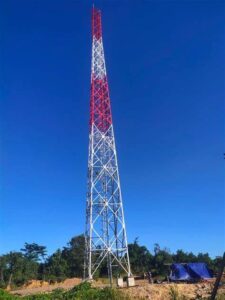
Radio Tower ConstructionOther changes include the maximum distance that board members may be from the proposed transmitter site. Previously that was ten miles. Now that can be as much as twenty miles if the application is located outside of the top fifty markets. Many times a rural LPFM radio will have board members living more than ten miles from the site, this new rule change will be very helpful to rural applicants.
 

We Need More Time – You Got It! New LPFM radio construction permits will be good for up to eighteen months initially (This was changed to 36 months). If the LPFM radio CP holder is unable to build within eighteen months, an extension is now available for an additional eighteen months. Extensions should be requested no less than three months from the expiration date to allow sufficient time for the Commission to process the request.


Once the station is built and on the air, the station cannot be transferred to another entity for three years. The Commission put this restriction in place to discourage speculators from snatching up LPFM radio frequencies from serious applicants.

Hasta La Vista LP10 Radio

The Commission abandoned the LP10 – 10 Watt version of LPFM radio. An LPFM radio filing window was never opened for this service. It died on the vine so to speak. There are still some rumblings from an attorney who has been pressing the FCC to allow stations in the 10-50 Watt range. So far it appears to be landing on deaf ears. And rightly so, as the current service allows licensing as low as 50 Watts already. The noise floor of the FM band is such that anything less than 50 Watts is really useless anyway, especially in metro areas where they claim this wattage is necessary to squeeze in more stations. The reality is that lowering from 50 Watts to say 10 Watts doesn’t really create many more availabilities in metro areas. And many metro LPFM radio stations are already complaining about the noise floor even with 100 Watts.

More Power to LPFM Radio

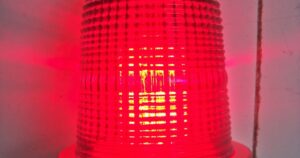
Radio Tower LightThere is a proposal coming to increase the maximum power of an Low Power FM radio station to 250 Watts. The FCC has taken that possibility seriously and positive comments from the Commission have been noted.

That change will likely occur in 2014 where existing LPFM radio licensees may have the opportunity to upgrade to 250 Watts. Of course an engineering study would be needed to prove the upgrade would not interfere with existing stations. However, with the buffer zone on these existing LPFM radio stations, there is a good possibility many will qualify.

Even More Power to LPFM Radio

One exciting change for Low Power FM radio licensees is the ability to own up to two 250 Watt translators to extend their coverage. Previously an LPFM radio licensee could not own any other licensed broadcast properties, so this is a major thing for the LPFM radioservice. An LPFM radio station could be rebroadcast on a translator; they just couldn’t own that translator.

So with a couple of translators at 250 Watts and 328 feet max, that’s a major power increase and coverage for an LPFM radio station! But don’t get too excited – there are restrictions on how far the translator can be from the LPFM radio station. Additionally, the Commission will not accept translator applications during the upcoming LPFM radio filing window. That translator window will likely be in 2015. LPFM radio stations can purchase existing licensed or construction permits for translators. We’ve been getting a lot of calls from both sides of this recently.

Ready Set Go!

LPFM Radio Quick & EasyFirst things first though. We need to get through the next LPFM radio filing window first. And yes, finally the Commission has announced the official filing window. This window will be open on October 15th through the 29th. Yes, that’s a two week national window for all states. The previous window nearly thirteen years ago was only five days and divided the United States into several regions. This was a bit of a mess; we’re elated the Commission has decided to handle this through a single national filing window.

LPFM Radio Shock

With so many delays of this window – starting back from 2010 – many would-be applicants are a bit shell shocked and in a bit of disbelief that this really is happening in October, after thirteen years and three years of recent delays. Trust me – this window is happening and will likely be the very last LPFM radio filing window. Now is not the time for procrastination for an LPFM radio applicant.

Several steps need to be taken in preparation for the window. Non-profit formation can sometimes take up to two months, and locating a workable tower site and securing reasonable assurance of availability, for instance. September and definitely not October is not the time to start thinking about getting started.

Leo Ashcraft is CEO of Nexus Broadcast “Broadcast Outside The Box!” Leo may be reached at email: Leo@NexusBroadcast.com, and at phone number: 239-427-RADIO

Published in Radio-Guide Magazine August 2013

Wednesday, May 29, 2013

A Working Radio Retirement

Published in Radio Guide Magazine – March 2013

On The Beach - Working RetirementAs many who follow this column know, I recently retired. I looked forward to taking some relaxation time and enjoying myself, as I ease myself into the older years of my life. I planned to open a restaurant, which is still in the works. I intended to continue to help the LPFM service as an advisor/consultant to make sure it stayed on track. I’ve made great progress in detaching myself from many of the day-to-day activities of Nexus Broadcast and the Conexus LPFM Advocacy. Dustin Williams and John Guiteress have taken the reigns at Nexus Broadcast, while Gene Rowley and Alan Mccall are operating Conexus.
So, with these very capable people taking over my babies, I set off for vacation to sunny Florida! In the meantime, as always seems the case, someone began calling me for help. They had installed their directional antenna system without our help or guidance, and suddenly had given up on trying to do it themselves – they wanted someone down there pronto! Off went Dustin from Nebraska, to help this fellow put his mess of an antenna system back together.

Monday, May 20, 2013

404

404: Not Found

Sorry, but the content you requested could not be found

Saturday, March 2, 2013

Tribal Radio Priority

Tribal Radio OpportunitiesIn 2010, the Federal Communications Commission established a Tribal Radio Priority to expand the number of radio stations owned by American Indian Tribes broadcasting to Tribal lands.  The Tribal Priority is a FCC rule through which Tribes or Tribally owned or controlled entities may more easily obtain broadcast radio licenses in both the AM and FM bands.  The Tribal Priority is intended not only to provide radio service tailored to specific Tribal needs and cultures, but to increase ownership of such radio stations by Tribes and Tribally owned entities.  In doing so, the Tribal Priority also fosters localism and diversity of ownership.